A Beginner's Guide to Submerged Arc Welding Techniques and Equipment
Introduction to Submerged Arc Welding
Overview of Submerged Arc Welding
Submerged arc welding (SAW) stands out as one of the most efficient welding processes available today. This technique utilizes an electric arc formed between a continuously fed electrode and the workpiece, creating a molten weld pool. The unique aspect of submerged arc welding lies in its method of shielding the arc and weld pool with a granular flux, which prevents contamination from the atmosphere. As the flux melts, it forms a protective layer that enhances the quality of the weld. This process is particularly favored in industries requiring deep penetration and high deposition rates, such as shipbuilding, heavy equipment manufacturing, and large structural fabrications.
Importance of Submerged Arc Welding in Industry
Submerged arc welding plays a crucial role in various industrial applications due to its ability to produce strong, high-quality welds efficiently. Industries like energy, construction, and automotive rely on this technique for its speed and effectiveness. The process offers advantages such as reduced spatter, minimal cleanup, and high productivity, making it suitable for thick materials and large components. Companies often choose submerged arc welding machines for their reliability and the ability to weld different metals, including stainless steel and carbon steel. As a result, SAW has become a standard in the production of components like engine parts, large tanks, and frames for tractors.
Key Techniques in Submerged Arc Welding
Understanding the Welding Process
The submerged arc welding process involves several critical steps that contribute to its efficiency. First, a continuous wire electrode feeds into the welding zone, where it establishes an electric arc with the base material. The molten metal from the electrode combines with the base material, forming a strong bond. The granular flux, which covers the weld, serves multiple purposes: it protects the molten weld from oxidation, stabilizes the arc, and helps control the cooling rate, which influences the properties of the weld. Understanding these components is vital for welders aiming to optimize their results and ensure the weldability of various materials.
Choosing the Right Electrode and Flux
Choosing the appropriate electrode and flux is essential for successful submerged arc welding. The electrode must match the base materials and desired mechanical properties of the weld. Different types of electrodes, such as those with alloying elements, cater to specific requirements like corrosion resistance or impact toughness. Similarly, the flux must be compatible, providing sufficient shielding while also influencing the weld's chemical composition. For instance, some fluxes contain additives that improve the weld's appearance or reduce porosity. Welders should consider these factors carefully to achieve optimal results in their projects.
Optimizing Voltage and Power Supply
Voltage and power supply play pivotal roles in the submerged arc welding process. Proper voltage settings ensure a stable arc and consistent heat input, which directly affects penetration and bead shape. Welders must adjust the power supply based on the thickness of the material and the type of electrode used. Most submerged arc welding systems can operate on either alternating current (AC) or direct current (DC), with DC often preferred for its stability. Maintaining the right balance between voltage, amperage, and arc welders travel speed maximizes efficiency and enhances weld quality, leading to stronger and more reliable welds.
Essential Equipment for Submerged Arc Welding
Types of Submerged Arc Welding Machines
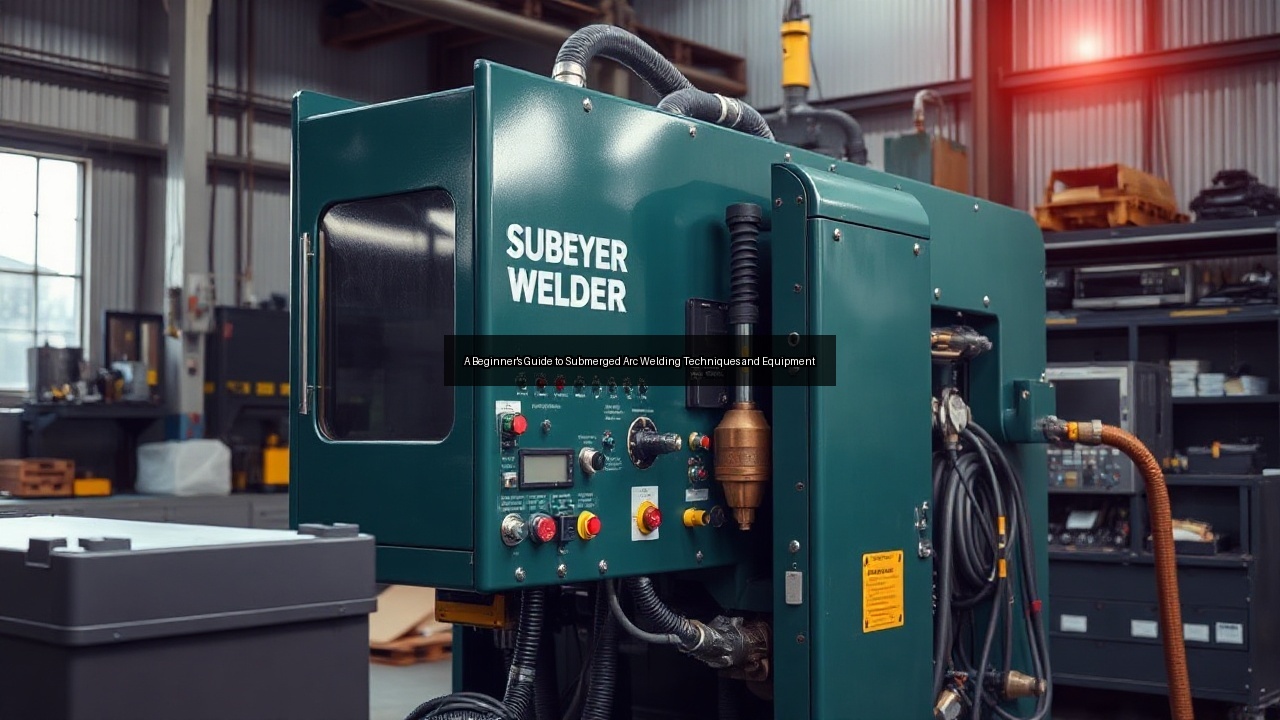
Submerged arc welding machines come in various types, each designed to meet specific needs. The most common are semi-automatic and fully automatic machines. Semi-automatic machines require the operator to control the welding torch or gun, which offers flexibility for different applications. In contrast, fully automatic submerged arc welding machines provide consistent results for high-volume production. These machines often include features like oscillation and programmable settings that allow for intricate designs and larger welds without compromising quality. The choice of machine largely depends on the project requirements and the welder's expertise.
Comparison of Leading Brands and Machines
Several brands dominate the submerged arc welding market, each offering unique features and capabilities. ESAB, Miller, and Lincoln Electric are among the most recognized names. ESAB machines are known for their reliability and advanced technology, providing excellent arc stability and ease of use. Miller’s submerged arc systems often emphasize portability, making them suitable for various job sites. Lincoln Electric focuses on versatility and user-friendly controls, appealing to both novices and experienced welders. Comparing these brands helps welders make informed decisions when investing in submerged arc welding equipment, ensuring they find the perfect machine for their needs.
Welding Tools and Accessories for Efficiency
In addition to the main submerged arc welding machine, several tools and accessories enhance the efficiency and quality of the welding process. Essential tools include wire feeders, which ensure a consistent supply of electrode wire, and flux hoppers, which deliver the granular flux necessary for shielding. Furthermore, welders should consider using dedicated power supplies that match the specifications of their machines, as well as filters to maintain clean air and prevent contamination during the welding process. These tools, when integrated with the main equipment, contribute to improved productivity and better weld quality across various projects.
Applications and Advantages of Submerged Arc Welding
Common Applications in Fabrication and Manufacturing
Submerged arc welding finds extensive applications in fabrication and manufacturing due to its efficiency and ability to handle large-scale projects. Industries such as shipbuilding, construction, and pipeline manufacturing often employ SAW for their welding needs. The technique excels in creating strong joints in thick materials, such as those used in structural components and heavy machinery. Additionally, submerged arc welding is ideal for fabricating large tanks and vessels where high deposition rates and deep weld penetration are necessary. Its adaptability makes it a go-to choice for projects requiring high strength and durability in welded joints.
Benefits of Using Submerged Arc Welding for Different Metals
The submerged arc welding process offers numerous advantages when welding various metals. Its ability to deliver deep penetration makes it suitable for welding thick sections of stainless steel and carbon steel, which are commonly used in industrial applications. The process also minimizes defects like porosity and slag inclusion, resulting in cleaner, more reliable welds. Additionally, SAW requires less post-weld cleanup compared to other methods, saving time arc welders and resources. The versatility of submerged arc welding extends to alloys and other weldable materials, allowing manufacturers to leverage its capabilities across a range of projects, from automotive components to heavy machinery parts.