Case Studies of Successful Plastic Mold Innovations
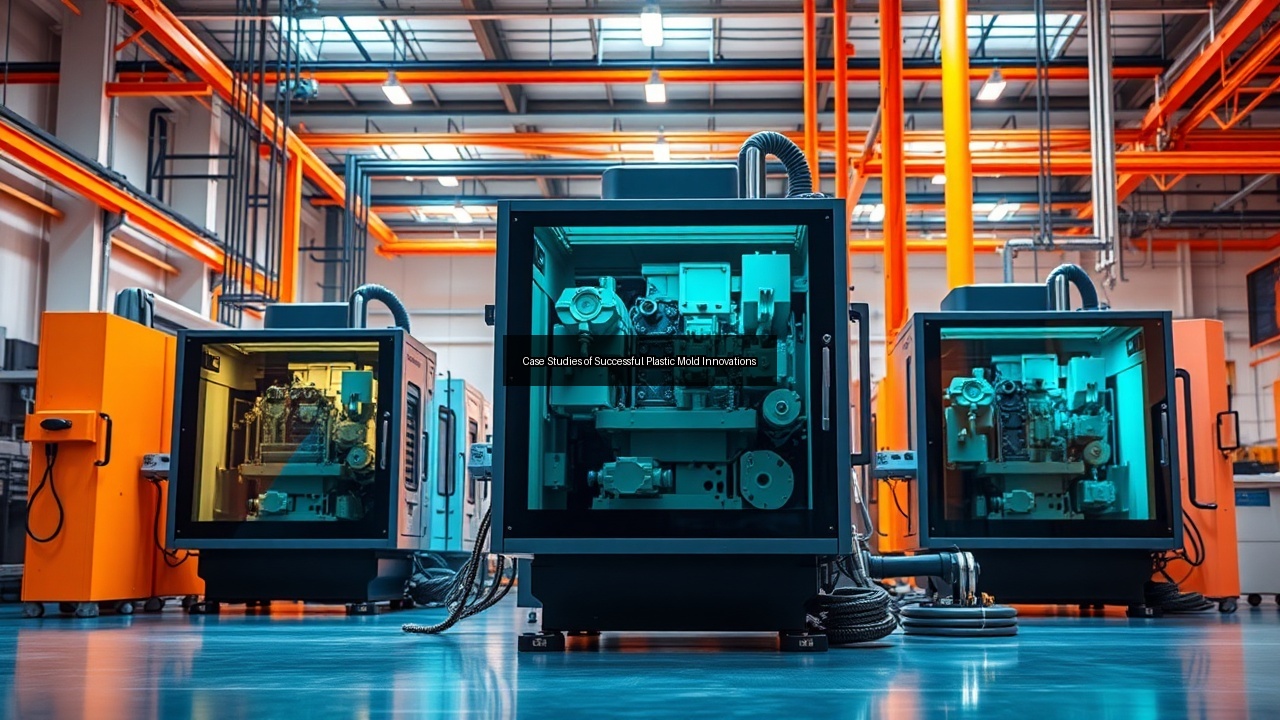
Innovative Approaches in Plastic Mold Manufacturing
Exploring Advanced Thermoforming Techniques
Advanced thermoforming techniques have transformed the landscape of plastic fabrication, allowing manufacturers to create complex shapes and designs with precision. This process involves heating a thermoplastic sheet until it becomes pliable, then forming it over a mold to create a desired shape. Leading plastic mold manufacturers leverage these techniques to produce high-quality products that meet diverse industry demands. The ability to create lightweight and durable components plays a critical role in sectors such as automotive, aerospace, and consumer goods. Innovations in vacuum thermoforming and pressure forming further enhance the capabilities of manufacturers. By optimizing temperature control and utilizing advanced materials, manufacturers can reduce cycle times and improve production efficiency. Furthermore, these techniques enable the customization of products, offering tailored solutions that meet specific client requirements. As a result, advanced thermoforming techniques not only expand the possibilities of design but also contribute to the overall efficiency and sustainability of the manufacturing process.
The Role of Thermoplastics in Modern Fabrication
Thermoplastics serve as the backbone of modern plastic fabrication, providing versatility and durability essential for a wide array of applications. Unlike thermosetting plastics, thermoplastics can be reheated and reshaped multiple times without undergoing chemical changes. This property allows plastic mold manufacturers to adapt to changing design requirements and innovate continuously. Popular thermoplastics such as ABS, polycarbonate, and polypropylene are widely used due to their excellent mechanical properties and resistance to impact and heat. Manufacturers can utilize these materials in various processes, including injection molding and thermoforming, to produce everything from intricate components to large-scale products. The flexibility of thermoplastics also supports sustainable practices, as they can be recycled and repurposed, reducing waste and minimizing environmental impact. As industries increasingly prioritize sustainability, the role of thermoplastics in modern fabrication continues to grow, paving the way for innovative solutions that address both performance and ecological concerns.
Case Studies of Successful Plastic Mold Innovations
Injection Molding Breakthroughs: A Look at Industry Leaders
Industry leaders in plastic mold manufacturing have consistently pushed the envelope with groundbreaking advancements in the injection molding process. Companies like BASF and GE have invested heavily in research and development, leading to significant breakthroughs that enhance efficiency, reduce costs, and improve product quality. One notable example is the development of high-performance materials that can withstand extreme temperatures and chemical exposure. These materials enable manufacturers to create injection-molded parts with superior durability, making them ideal for demanding applications in the automotive and aerospace sectors. Additionally, advancements in mold design, such as the implementation of conformal cooling channels, have revolutionized the injection molding process. These channels allow for more efficient heat dissipation, reducing cycle times and improving overall production efficiency. By adopting such innovations, leading manufacturers have not only enhanced their competitive edge but also set new industry standards for quality and performance in plastic fabrication.
Thermoformed Products that Revolutionized the Market
Thermoforming has given rise to innovative products that have significantly impacted various markets. A prime example includes the packaging industry, where thermoformed trays and containers offer lightweight, cost-effective solutions for food packaging. Companies like Sonoco and Placon have pioneered the use of thermoformed products that enhance food safety and extend shelf life. These products not only meet consumer demands for convenience but also comply with stringent regulations regarding food safety and environmental sustainability. In the automotive sector, thermoformed components have replaced traditional materials, contributing to weight reduction and improved fuel efficiency. Additionally, the medical industry benefits from thermoformed parts, such as custom trays for surgical instruments, which enhance organization and efficiency in operating rooms. The versatility of thermoformed products continues to inspire innovation, making them indispensable across multiple industries while driving growth for plastic mold manufacturers.
The Impact of Custom Injection Molds on Manufacturing Efficiency
Custom injection molds play a pivotal role in enhancing manufacturing efficiency by streamlining production processes and minimizing waste. Tailoring molds to specific product designs enables manufacturers to optimize the injection molding process, ensuring precise fit and finish with every cycle. Companies that invest in custom mold design often experience reduced material costs and shorter lead times, allowing for quicker turnaround on projects. For instance, innovative mold manufacturers employ advanced simulation software to analyze flow patterns and optimize cooling times, resulting in improved cycle efficiency. This level of customization also facilitates the production of complex geometries that standard molds cannot accommodate, thereby expanding the range of products that can be manufactured. Additionally, customized molds reduce the need for secondary operations, such as trimming or finishing, further enhancing overall productivity. As manufacturers continue to seek competitive advantages, the demand for custom injection molds will likely remain strong, driving further innovation in the plastic mold industry.
Future Trends in Plastic Mold Technologies
Sustainable Practices in Plastic Fabrication
Sustainable practices are increasingly shaping the future of plastic fabrication, reflecting a growing awareness of environmental responsibility among manufacturers. Many plastic mold manufacturers are now prioritizing eco-friendly materials and processes to minimize their carbon footprint. Bioplastics, derived from renewable resources, have gained traction as an alternative to traditional petroleum-based plastics. These materials not only reduce reliance on fossil fuels but also offer comparable performance characteristics. Additionally, manufacturers are adopting closed-loop systems that recycle scrap materials generated during the molding process, further reducing waste. By investing in energy-efficient machinery and optimizing production workflows, companies can decrease energy consumption and promote sustainability throughout the supply chain. As consumer preferences shift towards environmentally friendly products, the adoption of sustainable practices in plastic fabrication will not only benefit the planet but also enhance brand loyalty and market competitiveness.
Emerging Technologies in Injection Molding
The injection molding landscape is evolving rapidly, driven by emerging technologies that enhance manufacturing capabilities. One of the most significant advancements is the integration of additive manufacturing techniques, such as 3D printing, into the injection molding process. This combination allows for the rapid prototyping of complex mold designs, enabling manufacturers to test and iterate on products more efficiently. Furthermore, advancements in materials science are paving the way for new, high-performance thermoplastics that can withstand extreme conditions. Innovations like multi-material injection molding enable the creation of products with varying properties in a single molding cycle, offering unique advantages in functionality and design. Robotics and automation are also revolutionizing the injection molding sector, with automated systems improving precision and reducing labor costs. As these technologies continue to evolve, manufacturers will find new opportunities to enhance productivity and meet the ever-changing demands of the market.
The Rise of Smart Molds and Automation
Smart molds and automation are setting the stage for a new era in plastic mold manufacturing. The incorporation of Internet of Things (IoT) technology into molds allows for real-time monitoring of the injection molding process, providing valuable data that manufacturers can use to optimize production. Smart molds equipped with sensors can track temperature, pressure, and cycle times, enabling manufacturers to identify inefficiencies and make data-driven decisions for continuous improvement. Automation plays a crucial role in this evolution, with robotic systems handling tasks such as loading materials and removing finished parts. injection moulding manufacturer This not only increases production speed but also reduces the risk of human error. As manufacturers embrace these advancements, the potential for reduced costs and improved quality becomes evident. The rise of smart molds and automation represents a significant shift in the plastic mold industry, driving efficiency and innovation while meeting the demands of a competitive marketplace.
See Also
- Sustainable Practices in Plastic Mold Manufacturing
- Unpacking the Injection Molding Process for Reliable Plastic Fabrication
- Plastic Molding Myths Debunked What You Need to Know
- From Concept to Creation the Journey of Plastic Molding
- Navigating the Challenges of Plastic Fabrication in a Competitive Market