The Ultimate Guide to Choosing the Right Oil Storage Containers
Understanding Oil Storage Containers and Their Importance
What Are Oil Storage Containers?
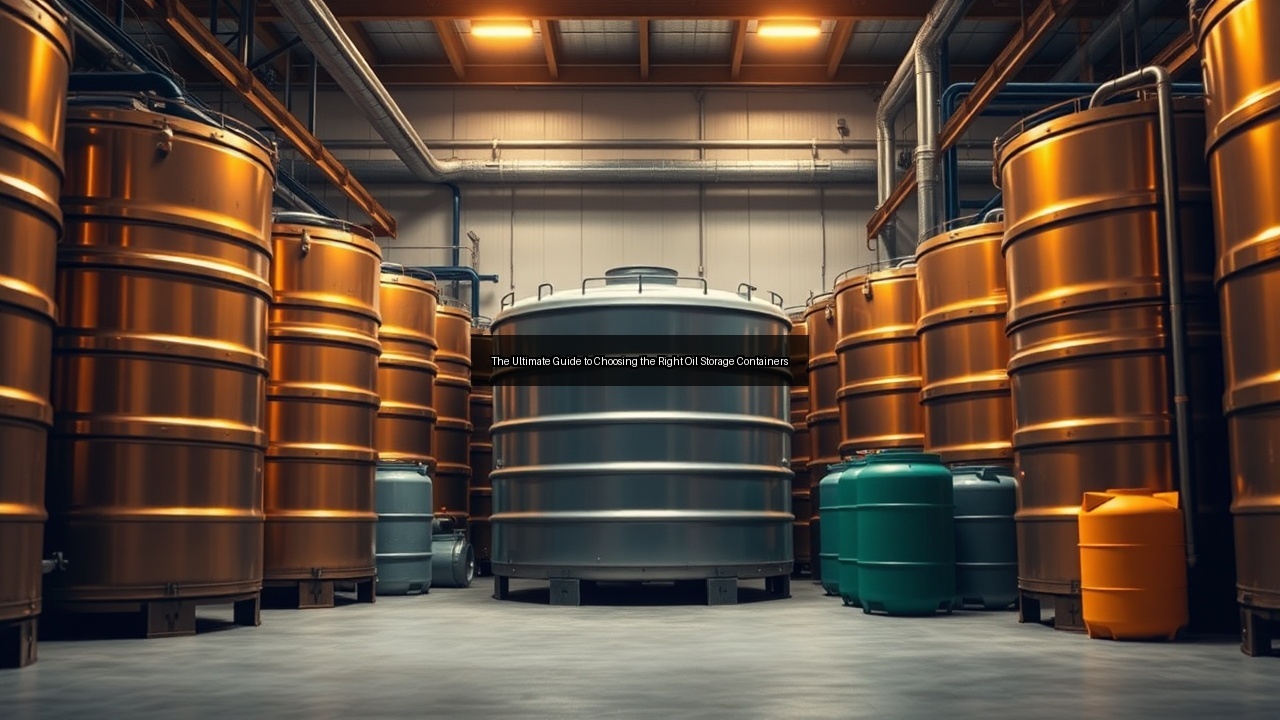
Oil storage containers, also known as oil tanks or storage tanks, serve as essential receptacles for storing various types of oil, including lubricants and fuels. These containers come in numerous shapes and sizes, tailored to accommodate different volumes and types of oil. Common forms include drums, plastic containers, and larger tanks designed for bulk storage. Properly designed and maintained oil storage containers ensure safe handling, minimize environmental risks, and optimize the longevity of stored products. Whether for residential heating, commercial usage, or industrial applications, understanding the function and specifications of these containers is crucial for anyone involved in oil and gas storage.
Additionally, the design and construction of oil storage containers are dictated not only by the types of oils they store but also by regulatory standards that govern their construction and maintenance. This is particularly important given the health and environmental risks associated with oil spills and leaks. As such, compliance with regulations from agencies such as the Environmental Protection Agency (EPA) is paramount in both the design and operational phases of oil storage.
Types of Oil Storage Containers
Oil storage containers can be categorized based on their material, size, and intended use. Metal tanks, often constructed from steel, offer durability and resistance to environmental factors. They are particularly suitable for long-term storage of fuels and lubricants, given their strength and ability to withstand various weather conditions. Plastic containers, alternatively, provide a lightweight and corrosion-resistant option, ideal for smaller quantities of oil. Within these categories, several types exist, including above-ground tanks, underground tanks, and portable storage containers. Above-ground tanks are prevalent in commercial settings, while underground tanks often serve residential purposes. Each type has its specific advantages and is selected based on factors like safety, accessibility, and regulatory compliance.
Moreover, specialized containers such as double-walled tanks and secondary containment systems are designed to provide additional safety. Double-walled tanks feature an inner and outer wall that minimizes the risk of leaks, whereas secondary containment systems can catch spills or leaks from primary storage tanks, further protecting the environment from contamination.
Benefits of Proper Oil Storage
Proper oil storage yields numerous benefits that extend beyond mere convenience. First, it enhances safety by reducing the risk of spills and leaks, which can have severe environmental impacts. Effective oil storage practices also improve compliance with local regulations concerning hazardous materials. Additionally, well-maintained containers prolong the life and quality of the oil, reducing waste and ensuring optimal performance. For industries relying on lubricants, maintaining oil quality protects machinery and equipment, leading to fewer breakdowns and reduced maintenance costs. This, in turn, boosts productivity and operational efficiency.
Furthermore, proper storage can also lead to significant cost savings. By minimizing waste oil container and optimizing oil usage, businesses can improve their bottom line. In today’s environmentally-conscious market, adhering to proper oil storage practices can also enhance a company's reputation, as businesses are increasingly held accountable for their environmental stewardship. This can lead to greater customer loyalty and potentially new business opportunities.
Factors to Consider When Choosing Oil Storage Containers
Material Selection: Plastic vs. Metal
The choice between plastic and metal for oil storage containers significantly impacts durability, safety, and cost. Metal tanks, particularly those made from steel, offer superior strength and resistance to physical damage. They can withstand extreme temperatures and provide a robust barrier against leaks. However, metal tanks may corrode over time, especially in the presence of water or humid environments. To combat corrosion, many metal tanks are treated with protective coatings or made from alloys that resist rust.
On the other hand, plastic containers are lightweight and resistant to corrosion, making them ideal for short-term storage or smaller quantities of oil. They are also often more affordable, but may not offer the same level of protection against physical impacts. When selecting a material, consider the chemical compatibility of the stored oil with the container material, as certain oils may degrade plastic over time. Ultimately, the best choice depends on your specific storage needs, environmental conditions, and budget considerations.
Size Matters: Gallons, Liters, and Quarts
Determining the appropriate size of oil storage containers is crucial for effective management and utilization. Oil storage containers come in various capacities, typically measured in gallons, liters, or quarts. For residential use, smaller tanks or drums (ranging from 5 to 55 gallons) are often sufficient for heating oil or lubricants. Commercial applications may require larger tanks, often exceeding 1,000 gallons. Understanding your consumption rate and storage needs will guide you in selecting the right size. Overestimating your needs can lead to increased costs and potential waste, while underestimating can result in supply shortages. Consider future needs as well, as capacity requirements may change over time.
Additionally, it’s important to assess the available space for installation. Larger tanks require more clearance for maintenance and safety checks, while smaller containers may be easier to manage in confined spaces. Assessing the geographical and environmental factors, such as proximity to water bodies or residential areas, is also critical in size selection to mitigate any risks associated with potential leaks or spills.
Safety Features: Gravity Feed and Cages
Safety features play a vital role in the selection of oil storage containers. Gravity feed systems allow for smooth, controlled dispensing of oil, minimizing the risk of spills during transfer. These systems are particularly beneficial in applications where precision is crucial, such as in automotive workshops or industrial settings. Additionally, cages provide an extra layer of security for storing containers, especially when dealing with hazardous materials. Cages prevent unauthorized access and protect against accidental damage. When selecting an oil storage tank, prioritize features that enhance safety, such as spill containment systems, overfill alarms, and proper labeling of contents. These precautions not only protect your investment but also comply with regulatory standards.
Moreover, investing in alarms and monitoring systems that detect leaks or unusual pressure changes can be invaluable. These advanced safety features can alert operators to potential issues before they escalate, allowing for timely intervention and remediation. Organizations may also consider implementing training programs for employees to ensure they understand and can effectively manage the risks associated with oil storage.
Best Practices for Maintaining Oil Storage Tanks
Regular Inspection and Maintenance
Regular inspection and maintenance of oil storage containers are essential to ensure safe and efficient operation. Establish a routine inspection schedule to check for signs of wear, corrosion, or leaks. Inspect seals, valves, and fittings, as these areas are often prone to issues. Keeping a maintenance log helps track any repairs and ensures that all safety protocols are followed. Additionally, consider hiring a professional for periodic inspections, especially for large tanks or complex systems. Proper maintenance not only extends the life of your oil storage containers but also enhances safety and compliance with environmental regulations.
In addition to routine inspections, proactive measures such as pressure testing and internal inspections can detect problems that are not visible from the outside. Keeping an eye on the environmental conditions surrounding the storage facility—such as drainage systems and vegetation—can also mitigate risks related to spills and leaks.
Avoiding Contamination in Oil Storage
Contamination poses a significant risk to the quality and usability of stored oil. Water, dirt, and other foreign substances can compromise the integrity of oil, leading to performance issues and increased maintenance costs. To avoid contamination, ensure that all storage containers are properly sealed and kept in clean, dry environments. Employ filtration systems to remove particulates from the oil before it enters the storage tanks. Regularly monitor oil quality using testing kits that check for water content and specific gravity. By maintaining a clean and controlled storage environment, you protect the quality of your oil and prevent costly contamination-related issues.
Furthermore, training personnel on the importance of cleanliness and proper handling procedures can greatly reduce the risk of contamination. Establishing a clean zone around storage areas and using designated tools for oil handling can prevent cross-contamination and ensure that the stored oil remains in optimal condition.
Proper Lubrication Techniques for Tanks
Proper lubrication techniques enhance the efficiency and longevity of oil storage tanks. Ensure that all moving parts, such as valves and pumps, are regularly lubricated to prevent wear and tear. Use the appropriate lubricants, as specified by the manufacturer, to ensure compatibility with stored oils. Implement a lubrication schedule based on usage rates and environmental conditions. For tanks that experience frequent temperature fluctuations, consider using lubricants designed to withstand varying conditions. By adhering to proper lubrication techniques, you not only maintain the functionality of your oil storage systems but also reduce the risk of breakdowns and costly repairs.
Additionally, consider the environmental impacts of lubricants and choose eco-friendly options whenever possible. This commitment to sustainability not only protects the environment but can also enhance your organization's reputation and compliance with environmental regulations.