Understanding the Behavior of Motors in Hazardous Environments
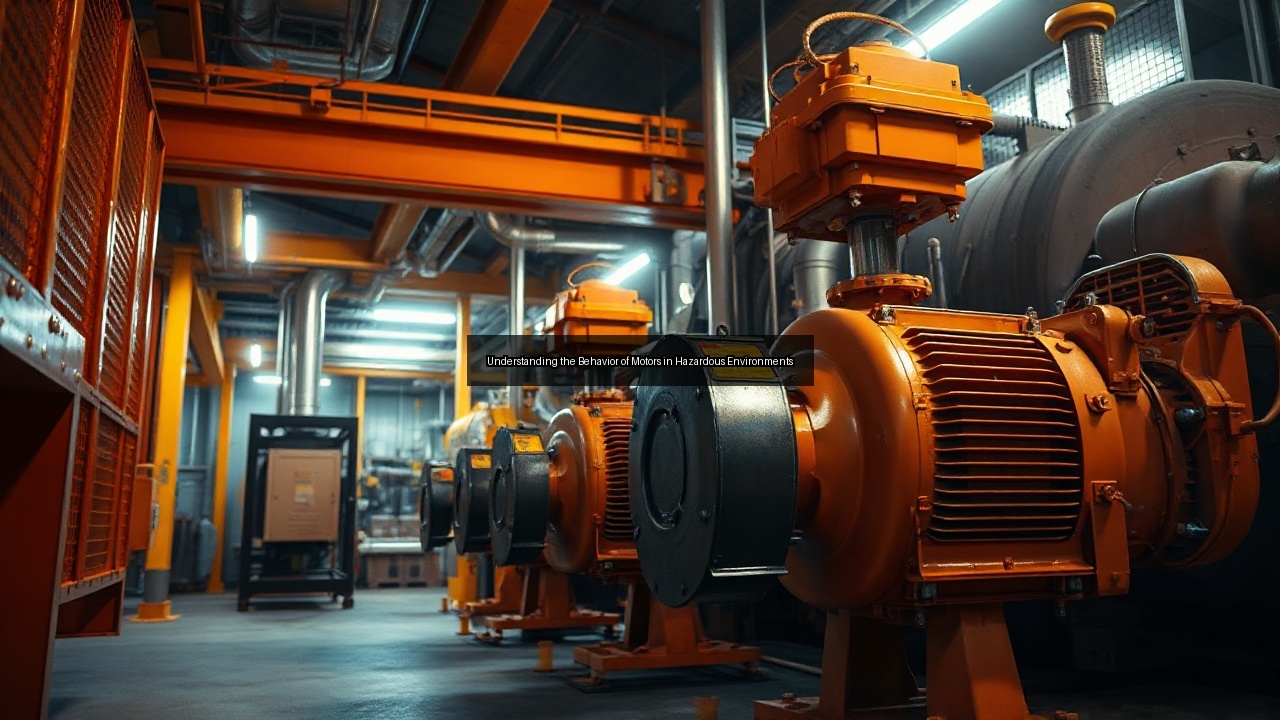
Understanding Hazardous Locations and Their Impact on Motor Performance
Defining Hazardous Locations: Types and Classifications
Hazardous locations are environments where the presence of flammable vapors, liquids, dusts, or gases can create ignition risks. These locations fall under specific classifications based on the type of hazard present and the likelihood of its occurrence. The National Electrical Manufacturers Association (NEMA) and the International Electrotechnical Commission (IEC) provide guidelines for classifying these environments. Common classifications include Class I for flammable gases and vapors, Class II for combustible dusts, and Class III for fibers and flyings. Understanding these classifications is crucial for selecting appropriate hazardous location motors that can perform reliably without posing an ignition risk.
Common Hazards: Vapors, Liquids, Dusts, and Gases
Various hazards exist in industrial settings, significantly influencing motor behavior. Flammable vapors and liquids, such as those found in chemical plants or oil refineries, pose a severe ignition risk. Dusts can accumulate in processing plants, such as pulp and paper mills, leading to potential explosions. Gases, like methane in wastewater treatment facilities or hydrogen in chemical processes, also require careful consideration. Each type of hazard necessitates specific motor designs and protective measures to ensure safe operation. Understanding these risks helps engineers select motors that comply with safety standards while maintaining optimal performance.
The Role of NEMA Ratings in Hazardous Locations
NEMA ratings define the protection level motors offer against environmental hazards. For hazardous location motors, these ratings indicate the suitability of the motor for specific hazardous environments. NEMA ratings, such as NEMA Type 7 for Class I, Division 1 locations, or NEMA Type 9 for Class II, Division 1 dusts, provide guidance on how well a motor can operate in specific conditions. Selecting a motor with the appropriate NEMA rating ensures it can withstand the environmental challenges of its operating location. This not only enhances safety but also prolongs the motor's lifespan and reliability in hazardous settings.
Motor Types and Their Suitability for Hazardous Environments
AC vs. DC Motors: A Comparative Analysis
When choosing motors for hazardous environments, understanding the differences between AC and DC motors is essential. AC motors typically offer greater durability and are less susceptible to wear, making them suitable for continuous operation in demanding settings. They also have fewer components, which reduces the risk of failure. On the other hand, DC motors provide precise control over speed and torque, making them ideal motors for hazardous location for applications where these attributes are critical. However, their maintenance needs and potential ignition risks might limit their use in certain hazardous locations. Evaluating the specific requirements of the application—such as the presence of vapors, cooling towers, or frequency variations—determines the most suitable motor type.
Single Phase Motors: Features and Limitations
Single phase motors are a common choice for less demanding applications, providing adequate performance for various tasks. They operate on a single-phase electrical supply and are relatively simple to install. However, their limitations become apparent in hazardous environments, particularly where high loads or extreme conditions exist. Single phase motors may struggle with efficiency and torque under heavy loads, potentially leading to overheating or failure. In environments with fluctuating frequencies or temperatures, as often seen in manufacturing plants, these limitations can compromise performance. Therefore, while single phase motors may suffice in non-hazardous settings, more robust alternatives often prove necessary in hazardous locations.
BLDC Motors: Advantages in Hazardous Applications
Brushless DC (BLDC) motors present unique advantages in hazardous applications. Their design eliminates brushes, reducing sparking risks associated with traditional motors. This makes BLDC motors particularly suitable for environments filled with flammable vapors, gases, or dusts. Additionally, BLDC motors offer higher efficiency, better torque-to-weight ratios, and longer lifespans compared to their brushed counterparts. Their ability to operate under varying conditions, such as those found in data centers and infrastructure, enhances their appeal. The integration of advanced electronic controls further facilitates precise speed and torque management, making BLDC motors a preferred choice for industrial motors in hazardous locations.
Factors Affecting Motor Behavior in Hazardous Locations
Environmental Conditions: Temperature and Frequency Variations
Environmental conditions significantly impact the performance of hazardous location motors. Temperature fluctuations can affect motor efficiency and longevity, especially in extreme climates. Motors operating in high-temperature environments may experience insulation degradation, leading to premature failure. Likewise, frequency variations can influence motor speed and torque, affecting operational consistency. Engineers must account for these variables when selecting motors, ensuring they meet the specific demands of the application. Incorporating temperature-resistant materials and designing for frequency adaptability can mitigate many of these challenges, resulting in enhanced reliability and performance in hazardous environments.
Impact of Cooling Towers on Motor Efficiency
Cooling towers play a crucial role in maintaining optimal temperatures for motors operating in hazardous environments. These systems help dissipate heat generated during motor operation, preventing overheating and ensuring consistent performance. However, cooling towers themselves can introduce additional hazards, such as the accumulation of dust or moisture, which can affect motor durability. Proper maintenance of cooling systems is essential to maximize motor efficiency and lifespan. Engineers should design cooling solutions that address the specific challenges posed by hazardous locations, ensuring that motors maintain peak performance in even the most demanding conditions.
Force Dynamics in Gas Compressors and Industrial Motors
Gas compressors and industrial motors operate under unique force dynamics that can significantly affect performance. In environments where gas is compressed, motors must handle fluctuating forces and loads without compromising efficiency. Variations in gas density, temperature, and pressure can influence motor behavior, requiring careful consideration during selection. Engineers must analyze these force dynamics to ensure that motors can withstand operational stresses while providing reliable performance. Understanding the specific requirements of applications such as compressors in hazardous locations, where the risk of ignition is high, becomes essential for ensuring safety and operational integrity.
Maintenance and Warranty Considerations for Hazardous Location Motors
Selecting the Right Distributor for Hazardous Duty Motors
Choosing the right distributor for hazardous duty motors is vital for ensuring quality and reliability. A reputable distributor understands the complexities of hazardous locations and can provide motors that meet stringent safety standards. They can offer valuable insights into the right NEMA ratings, motor types, and maintenance practices essential for these environments. Additionally, a reliable distributor can guide warranty options, ensuring that customers receive adequate coverage for their investment. Establishing a strong partnership with a knowledgeable distributor can lead to better outcomes in motor performance and longevity in hazardous locations.
Understanding Warranty Implications in Hazardous Environments
Warranty considerations play a significant role when selecting hazardous location motors. Understanding the terms and conditions associated with warranties is essential, as these can vary greatly among manufacturers. Some warranties may exclude coverage for damage resulting from improper use in hazardous environments. It is crucial to ensure that the chosen hazardous location electric motors motor is compliant with applicable safety standards and that the warranty reflects this compliance. Customers should review warranty details carefully, focusing on coverage for failures due to environmental factors common in hazardous locations, such as exposure to vapors, dusts, or extreme temperatures.
Repair and Maintenance Best Practices for Reliable Performance
Regular maintenance and timely repairs are critical for the reliable performance of hazardous location motors. Adopting best practices, such as routine inspections and cleaning, can help identify potential issues before they escalate. Implementing a preventive maintenance schedule tailored to the specific operational conditions can enhance motor longevity. Additionally, training personnel on the unique challenges posed by hazardous environments ensures that maintenance tasks are performed correctly. Emphasizing repair protocols that address the specific demands of hazardous locations can help maintain operational integrity, reducing the risk of failure and enhancing safety across the plant.