Mastering AS9100 Standards in Aerospace Machine Shops
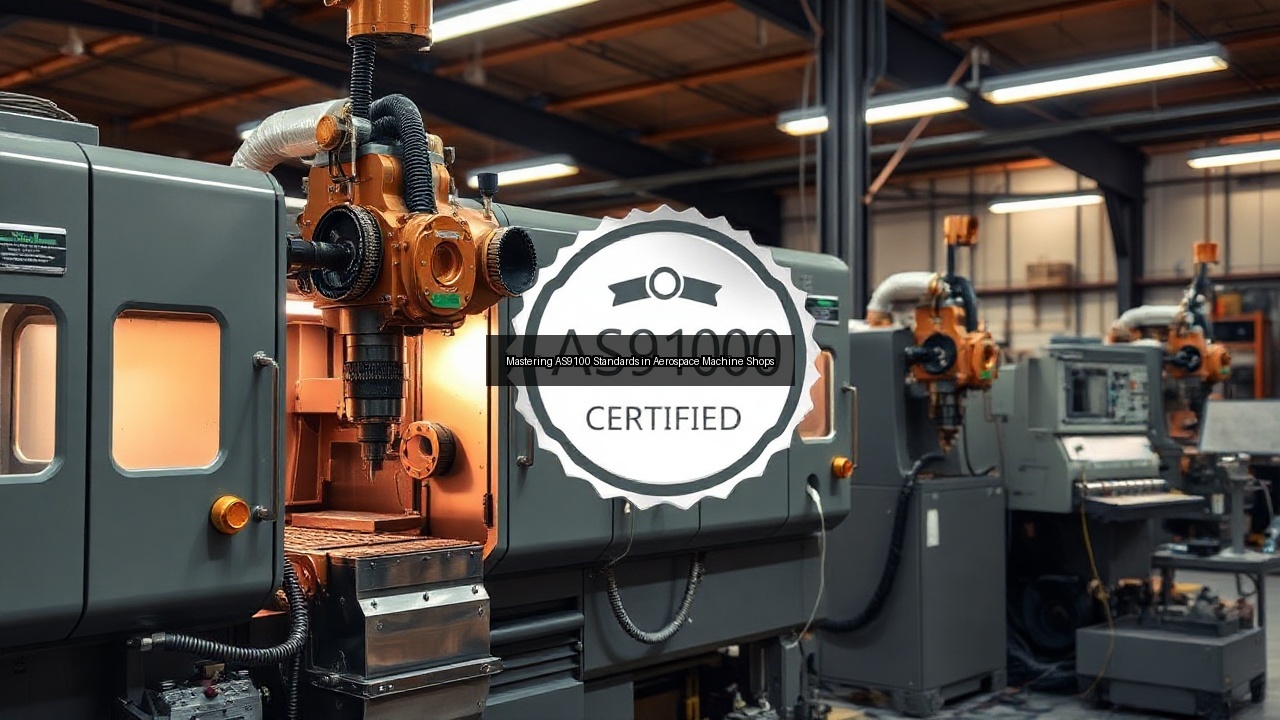
Understanding AS9100 Standards in Aerospace Machine Shops
Overview of AS9100 Certification
The AS9100 certification represents a critical standard for aerospace manufacturers, including machine shops that produce components for air and space applications. This quality management system (QMS) standard is designed specifically for the aerospace industry and encompasses the essential requirements for safety and reliability. Obtaining AS9100 certification signifies that a machine shop adheres to rigorous quality standards, which enhances customer trust and marketability. This certification not only reflects a commitment to quality but also ensures compliance with international aerospace regulations, making it essential for companies aiming to compete in the global aerospace market.
Relation to ISO 9001 Standards
AS9100 builds upon the foundation established by ISO 9001, which serves as a general quality management standard across various industries. While ISO 9001 provides a framework for quality assurance, AS9100 incorporates additional requirements specific to the aerospace sector. These include aspects such as risk management, product safety, and regulatory compliance that are critical to aerospace manufacturing. For machine shops, achieving AS9100 certification means integrating the principles of ISO 9001 while also addressing the unique challenges and expectations of the aerospace industry. This connection highlights the importance of a robust quality management system that meets both general and industry-specific standards.
Importance in Aerospace Manufacturing
The role of AS9100 standards in aerospace manufacturing cannot be overstated. These standards ensure that machine shops produce components that meet stringent safety and quality requirements essential for aerospace applications. As the industry grows increasingly competitive, adherence to AS9100 becomes a differentiator for machine shops. Clients demand proven quality and reliability, and AS9100 certification provides a clear benchmark for assessing a machine shop's capabilities. Moreover, compliance with AS9100 fosters continuous improvement within the organization, leading to enhanced operational efficiency, reduced waste, and improved customer satisfaction, all of which are vital for sustaining long-term success in the aerospace sector.
Implementing AS9100 in Machine Shops
Key Requirements for Certification
To achieve AS9100 certification, machine shops must meet various key requirements that focus on quality management. These include establishing a documented quality management system that outlines processes, procedures, and responsibilities across the organization. Additionally, shops must demonstrate effective management of risk and opportunities associated with their products and services. Regular audits and reviews of processes are crucial to identify areas for improvement and ensure compliance with AS9100 standards. By systematically addressing these requirements, machine shops can position themselves favorably within the aerospace industry, showcasing their commitment to quality and reliability.
Establishing a Quality Management System
A robust quality management system (QMS) forms the backbone of AS9100 certification. This system should encompass all aspects of a machine shop’s operations, from design and production to customer service. Establishing a QMS involves defining clear objectives, processes, and metrics to measure performance. Employee training and engagement play a pivotal role in the effectiveness of the QMS. All employees should understand their role in maintaining quality standards and be equipped with the necessary skills to contribute positively. Furthermore, integrating feedback mechanisms allows machine shops to adapt and evolve their QMS in response to changing market demands and customer expectations.
Best Practices for Compliance
Compliance with AS9100 standards requires a proactive approach. Machine shops should adopt best practices that promote a culture of quality throughout the organization. Regular training sessions can enhance employee awareness and understanding of AS9100 requirements. Conducting internal audits helps identify gaps in compliance and areas needing improvement. Furthermore, engaging in continuous monitoring of processes ensures that the QMS remains effective and aligned with AS9100 standards. Collaboration with suppliers and partners also supports a broader commitment to quality across the supply chain. By implementing these best practices, machine shops can streamline their operations and maintain adherence to AS9100 standards.
Challenges and Solutions in Aerospace Machine Shops
Common Challenges in AS9100 Implementation
Implementing AS9100 standards in aerospace machine shops presents several challenges. Many organizations struggle with the comprehensive documentation required to meet certification demands. Additionally, the need for significant changes in processes and culture can lead to resistance from employees. Lack of resources, including time and expertise, often hampers effective implementation. A machine shop might also face difficulties in maintaining compliance amidst evolving regulations and standards. Addressing these challenges requires a strategic approach that emphasizes leadership commitment, employee involvement, and adequate training to foster a quality-centric culture.
Case Study: Hogge Precision
Hogge Precision, a notable aerospace machine shop, provides a compelling case study in AS9100 implementation. Initially grappling with compliance challenges, the company faced resistance from its workforce and struggled with documentation processes. By investing in comprehensive training programs and engaging employees in the certification journey, Hogge Precision transformed its approach to quality management. Leadership played a crucial role in fostering a culture of continuous improvement, resulting in successful AS9100 certification. This commitment not only enhanced operational efficiency but also positioned Hogge Precision as a trusted supplier in the aerospace industry, illustrating how effective management of challenges can yield significant benefits.
Strategies for Overcoming Compliance Issues
To overcome compliance issues, machine shops should implement targeted strategies that address specific challenges. Establishing a cross-functional team dedicated to AS9100 compliance can streamline communication and foster collaboration across departments. Conducting a gap analysis to identify deficiencies in current processes allows organizations to focus their efforts efficiently. Utilizing technology for documentation and process management can simplify compliance tasks and reduce errors. Moreover, fostering an open dialogue with employees about the importance of AS9100 standards can cultivate a shared commitment to quality. By adopting these strategies, machine shops can navigate compliance hurdles and enhance their operational resilience.
Future Trends and Innovations in Aerospace Manufacturing
Impact of ITAR Regulations on Machine Shops
The International Traffic in Arms Regulations (ITAR) significantly affect machine shops working within the aerospace sector. These regulations govern the export and import of defense-related articles and services, necessitating stringent compliance measures. For machine shops, this means implementing additional controls on sensitive materials and components, which can complicate operations. Understanding ITAR requirements is crucial for machine shops that deal with military or aerospace contracts. Failure to comply can result in severe penalties and loss of business opportunities. Therefore, integrating ITAR compliance into the quality management system aligns with the objectives of AS9100 certification, ensuring that machine shops maintain both quality and regulatory adherence.
Emerging Technologies in Metalworking
Emerging technologies are reshaping the landscape of metalworking in aerospace manufacturing. Advanced materials, such as lightweight alloys and composites, enhance performance while reducing weight in aerospace applications. Additive manufacturing, or 3D printing, offers innovative solutions for producing complex geometries that traditional methods cannot achieve, cutting down on waste and improving efficiency. Machine shops that adopt these technologies can gain a competitive edge by increasing production capabilities and reducing lead times. Staying updated on these advancements aligns with AS9100 principles by fostering continuous improvement and innovation in quality management practices.
The Role of AS9100 in Sustainable Practices
AS9100 standards increasingly incorporate sustainability principles, reflecting a growing emphasis on environmental responsibility in aerospace manufacturing. Machine shops can align their quality management systems with sustainable practices by focusing on waste reduction, energy efficiency, and responsible sourcing of materials. Implementing a sustainable approach not only enhances compliance with AS9100 but also appeals to environmentally conscious customers. By embracing sustainability as a core value, machine shops can contribute positively to the aerospace sector while fostering long-term business viability. The integration of sustainable practices within the framework of AS9100 certification positions machine shops as leaders in both quality and environmental stewardship.